Morocco is one of the most colorful and exciting countries in North Africa. Travelers from around the world visit this country to experience old cities, busy markets, mountain views, and desert landscapes. The mix of history, culture, food, and architecture makes Morocco stand out from many other travel destinations.
The highlights of Morocco attract tourists who want both adventure and relaxation. Some visitors enjoy walking through ancient streets filled with shops and local cafés, while others prefer quiet desert camps under the stars. Every part of the country offers something different.
Morocco is also known for its strong cultural identity. Traditional music, handmade crafts, local dishes, and historic buildings all reflect the country’s long history. Travelers often say Morocco feels very different from other destinations because of its atmosphere and energy.
One of the best things about Morocco is variety. A traveler can visit mountains, beaches, deserts, and historic cities within the same trip. This gives visitors many experiences without needing to travel across multiple countries.
The country is also famous for warm hospitality. Many tourists remember the friendliness of local people just as much as the places they visit. From small towns to major cities, Moroccan culture leaves a lasting impression on visitors.
Marrakech and Its Busy Streets
Marrakech is often one of the first places travelers visit in Morocco. The city is filled with movement, color, and local life. Markets, street performers, food stalls, and historic buildings create a lively atmosphere that many visitors never forget.
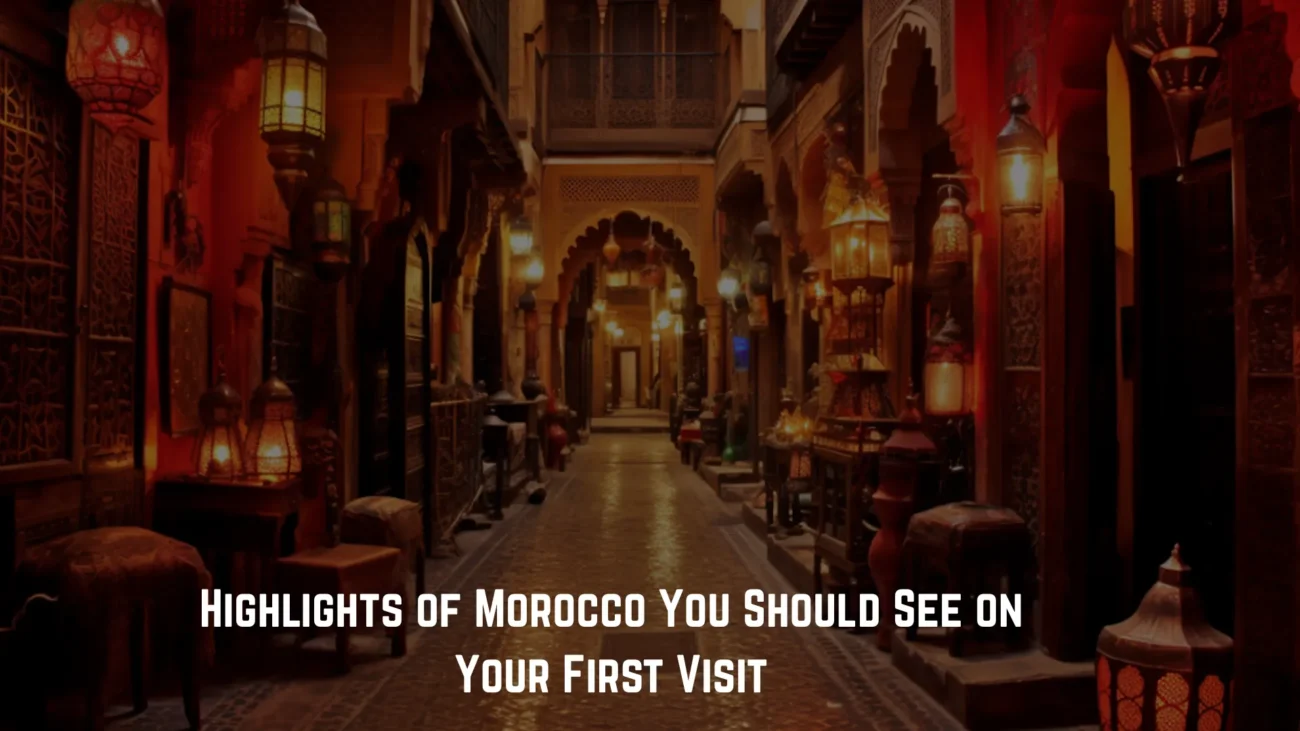
The Medina of Marrakech is one of the most famous areas in the country. Narrow streets lead to shops selling spices, lanterns, carpets, clothing, and handmade goods. Walking through these streets feels like stepping into another time period.
Jemaa el-Fnaa Square becomes especially active during the evening. Food vendors, musicians, snake charmers, and performers gather in the area as crowds fill the square.
Marrakech is also known for beautiful riads. These traditional houses often include peaceful courtyards and detailed Moroccan architecture.
Historic places like Bahia Palace and Koutoubia Mosque attract visitors interested in Moroccan history and design.
The city combines old traditions with modern tourism, making it one of the major highlights of Morocco.
The Sahara Desert Experience
The Sahara Desert is one of the most famous travel experiences in Morocco. Many tourists consider it the most unforgettable part of their journey.
Camel rides across sand dunes are very popular among visitors. Travelers often ride through the desert during sunset when the sand changes color under the evening light.
Desert camps provide a chance to spend the night under the stars. Traditional tents, local food, and music around campfires create a unique atmosphere.
Merzouga is one of the best-known desert destinations in Morocco. The large dunes near this area attract travelers from around the world.
The silence of the desert is another reason why many people enjoy the experience. Away from crowded cities, the Sahara feels peaceful and calm.
Watching sunrise over the dunes is another special moment many travelers remember long after leaving Morocco.
Chefchaouen and the Blue Streets
Chefchaouen is one of the most photographed towns in Morocco. Located in the Rif Mountains, the town is famous for its blue-painted buildings and peaceful atmosphere.
Unlike the busy energy of Marrakech, Chefchaouen feels slower and more relaxed. Visitors often spend time walking through quiet streets and enjoying mountain views.
The blue walls create a unique appearance that attracts photographers and social media travelers from many countries.
Local markets in Chefchaouen sell handmade blankets, pottery, clothing, and crafts. The town also has small cafés where visitors can relax after exploring.
Mountain hiking is another popular activity in the area. Nature lovers often enjoy the fresh air and scenic surroundings.
Chefchaouen is considered one of the calmest and most visually attractive highlights of Morocco.
Fes and Morocco’s Historic Culture
Fes is one of the oldest cities in Morocco and is deeply connected to the country’s history and traditions.
The city’s old Medina is recognized as a UNESCO World Heritage Site. Many streets inside the Medina are narrow and crowded with shops, workshops, and food stalls.
Fes is known for traditional craftsmanship. Leather goods, pottery, textiles, and metalwork are common throughout the city.
The famous Chouara Tannery attracts many visitors because of its traditional leather-dyeing process. The colorful dye pits create one of the most recognized scenes in Morocco.
Historic schools and mosques in Fes show beautiful Islamic architecture and detailed design work.
Walking through Fes often feels like entering a living museum because many traditions continue today much like they did centuries ago.
Casablanca and Modern Morocco
Casablanca offers a different side of Morocco compared to older historic cities. It is one of the country’s largest and most modern urban areas.
The city includes modern buildings, shopping areas, restaurants, and business districts. At the same time, it still holds important cultural landmarks.
The Hassan II Mosque is one of the most famous attractions in Casablanca. Built near the Atlantic Ocean, it is one of the largest mosques in the world.
Visitors often admire the mosque’s architecture, ocean views, and detailed interior decoration.
Casablanca also has beach areas, cafés, and nightlife that attract both locals and tourists.
The city represents Morocco’s modern growth while still respecting traditional culture.
The Atlas Mountains
The Atlas Mountains provide another side of Morocco that many travelers enjoy. Snow-covered peaks, valleys, villages, and hiking trails create beautiful scenery.
Mountain villages allow visitors to experience rural Moroccan life away from crowded tourist areas.
Hiking and trekking are popular activities in this region. Some travelers even climb Mount Toubkal, the highest mountain in North Africa.
The mountain air feels cooler compared to desert regions and major cities, making the area popular during warmer months.
Traditional Berber communities live throughout the mountains and often welcome tourists visiting the region.
The Atlas Mountains are among the natural highlights of Morocco for travelers who enjoy outdoor activities.
Moroccan Food and Local Flavors
Food is an important part of Moroccan culture. Many travelers remember the country’s dishes long after their trip ends.
Tagine is one of the most famous Moroccan meals. It is cooked slowly in a clay pot and often includes meat, vegetables, and spices.
Couscous is another traditional dish served across the country. Many families prepare it during Fridays and special gatherings.
Mint tea is extremely popular in Morocco and is often offered to guests as a sign of hospitality.
Street food also plays a major role in local culture. Markets and food stalls sell grilled meats, pastries, fresh juices, and snacks.
Moroccan spices give many dishes rich flavor and aroma without making the food overly complicated.
Dining in Morocco often feels social and welcoming, especially in traditional restaurants and family-owned cafés.
Essaouira and the Atlantic Coast
Essaouira is a coastal city known for beaches, seafood, and a relaxed atmosphere.
The city attracts surfers, artists, and travelers looking for a quieter experience compared to larger cities.
Strong ocean winds make Essaouira popular for water sports like windsurfing and kitesurfing.
The old Medina contains shops, cafés, and local art galleries. White buildings and blue details create a coastal appearance different from inland Moroccan cities.
Fresh seafood is another major attraction. Many restaurants serve grilled fish caught the same day.
Essaouira also has a creative atmosphere because of its music events and artistic community.
Moroccan Markets and Shopping Culture
Markets, known as souks, are an important part of Moroccan daily life.
Travelers often enjoy shopping for handmade items such as carpets, lanterns, pottery, leather bags, spices, and jewelry.
Bargaining is common in many markets. Negotiating prices is part of the shopping experience in Morocco.
Each city has its own style of products and crafts. Some areas specialize in leather goods, while others focus on textiles or ceramics.
The smell of spices, sounds of vendors, and colorful displays create a lively shopping environment.
Even visitors who do not plan to buy much usually enjoy exploring Moroccan markets because of the atmosphere.
Traditional Riads and Moroccan Stays
Riads are traditional Moroccan houses built around peaceful inner courtyards.
Many old riads have been turned into guesthouses and hotels for tourists.
Staying in a riad gives travelers a more traditional Moroccan experience compared to standard hotels.
Detailed tile work, fountains, carved wood, and rooftop terraces create beautiful interiors.
Many riads also serve homemade Moroccan meals for guests.
The peaceful design of riads offers a quiet escape from the busy streets outside.
For many travelers, staying in a traditional riad becomes one of the memorable highlights of Morocco.
Moroccan Festivals and Local Events
Morocco hosts many cultural festivals throughout the year.
Music festivals attract international visitors and local performers. Traditional Moroccan music is often combined with modern styles during these events.
Religious celebrations also play an important role in Moroccan culture.
Art festivals, food events, and local fairs help travelers experience Moroccan traditions more closely.
Some mountain villages and desert areas hold smaller local festivals connected to farming, crafts, or seasonal traditions.
Travelers visiting during festival periods often experience a more energetic and cultural side of Morocco.
Transportation and Travel Around Morocco
Traveling through Morocco is relatively easy for tourists.
Trains connect major cities such as Casablanca, Marrakech, Rabat, and Fes. Many travelers use trains because they are comfortable and affordable.
Buses are another common way to travel between cities and towns.
Private tours are popular for desert trips and mountain journeys.
Taxis are widely available in urban areas, although visitors often negotiate prices before starting a ride.
Morocco also has airports in major cities, making domestic travel quicker for longer distances.
Why Morocco Attracts So Many Tourists
The country continues attracting travelers because it offers many experiences within one destination.
Some tourists visit for cultural exploration, while others come for beaches, deserts, hiking, food, or photography.
The mix of African, Arab, Berber, and European influences creates a unique atmosphere that many visitors find interesting.
Historic architecture, local traditions, colorful streets, and scenic landscapes make Morocco visually memorable.
The country also appeals to budget travelers and luxury tourists because accommodation options vary widely.
Whether someone wants adventure or relaxation, Morocco usually offers something suitable.
Conclusion
The highlights of Morocco include far more than just famous tourist spots. The country offers a rich mix of culture, landscapes, food, history, and local experiences that leave strong memories for travelers.
From the busy streets of Marrakech to the calm blue town of Chefchaouen, every region has its own atmosphere and identity. Desert camps, mountain villages, coastal cities, and ancient Medinas all show different sides of Morocco.
Travelers often visit Morocco expecting beautiful places, but many leave remembering the people, food, traditions, and energy of the country even more.
For first-time visitors and experienced travelers alike, Morocco continues to stand out as one of the most exciting destinations in North Africa.
FAQs
A. Marrakech is one of the most famous cities because of its markets, historic buildings, and lively atmosphere.
A. Chefchaouen is known as the Blue City because many buildings and streets are painted blue.
A. Yes, guided desert tours are generally safe and very popular among travelers visiting Morocco.
A. Travelers often try tagine, couscous, mint tea, grilled meats, and traditional pastries.
A. Spring and autumn are popular because the weather is usually more comfortable for travel.
A. Yes, Moroccan markets are famous for handmade goods, spices, carpets, pottery, and traditional crafts.
