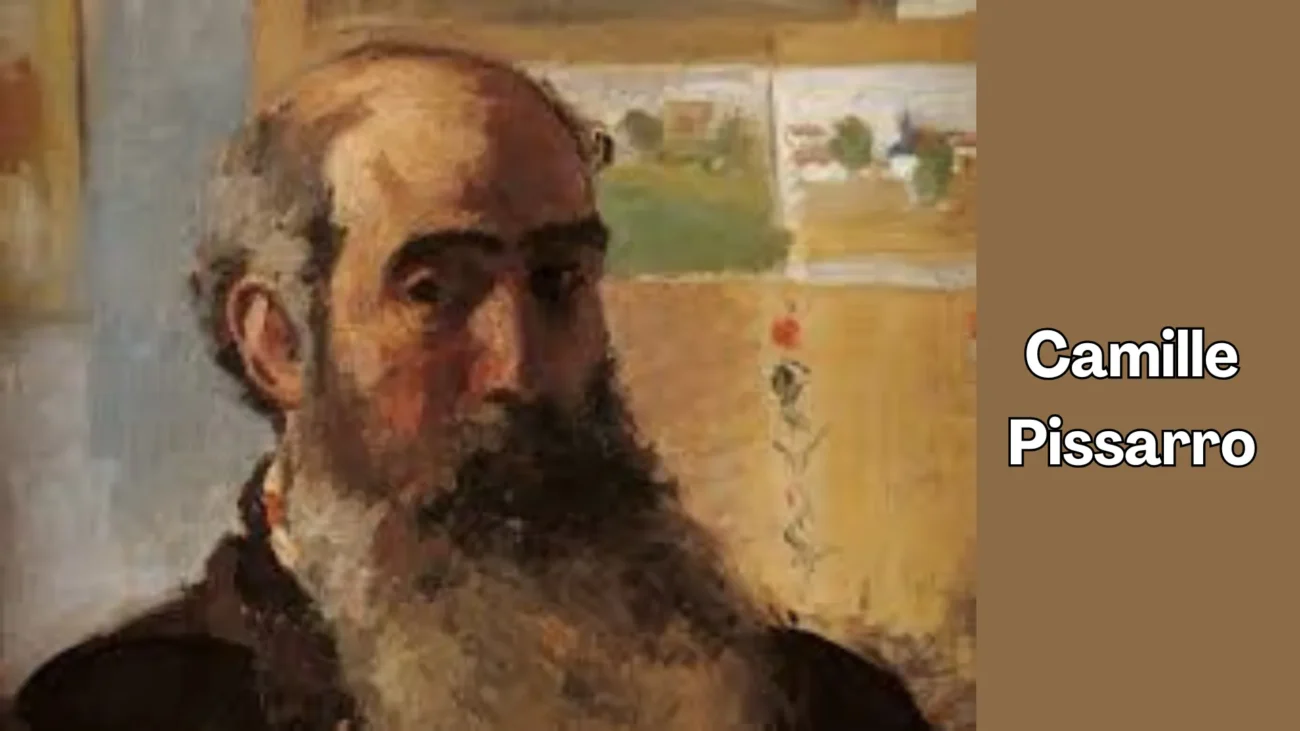
Camille Pissarro is one of the most respected names in the history of Impressionist art. His paintings are known for their peaceful countryside scenes, city streets, natural light, and everyday life moments. Art lovers around the world continue to admire his work because of its calm beauty and realistic emotion.
The topic of camille pissarro most famous paintings attracts attention from students, art collectors, museum visitors, and people interested in classic European paintings. His work helped shape the Impressionist movement and influenced many famous artists who came after him.
Unlike painters who focused only on dramatic subjects, Pissarro often painted ordinary life. Farmers working in fields, busy streets, villages, rivers, and trees became important subjects in his art. His paintings feel natural and human, which is one reason they still connect with viewers today.
Camille Pissarro Biography
| Attribute | Details |
| Full Name | Camille Jacob Pissarro |
| Date of Birth | July 10, 1830 |
| Date of Death | November 13, 1903 |
| Age at Death | 73 |
| Nationality | Danish-French (born in St. Thomas) |
| Birthplace | St. Thomas, Danish West Indies (now U.S. Virgin Islands) |
| Key Influences | Corot, Courbet, Monet, Sisley |
| Movements | Impressionism, Neo-Impressionism |
| Notable Students | Cézanne, Gauguin, van Gogh |
| Exhibitions | All eight Impressionist shows (1874-1886) |
| Primary Subjects | Landscapes, peasants, Paris streets |
| Major Residences | Pontoise, Éragny, London (exile) |
| Family | Married Julie Vellay; 7 children (Lucien also painted) |
| Legacy | “Father of Impressionism”; 1,500+ works |
Top 10 Most Famous Paintings
| Painting Title | Year | Key Features youtube impressionistarts+1 |
| Boulevard Montmartre at Night | 1897 | Snowy Paris street with gaslights glowing amid crowds; urban series pinnacle. |
| The Avenue, Sydenham | 1871 | Tree-lined London road in exile; early bright tones inspired by Corot. |
| Hoar Frost (Old Road to Ennery) | 1873 | Frosty Pontoise path with peasant; debuted at first Impressionist show. |
| The Côte des Bœufs at L’Hermitage | 1877 | Structured rural hill path; blends Impressionist speed with composition. |
| Haystacks, Morning, Éragny | 1895 | Sunlit hay in dawn mist; Neo-Impressionist dots for atmospheric depth. |
| The Hermitage at Pontoise | 1881 | Snowy village homes; masterful light on white, harmony in cold tones. |
| Jalais Hill, Pontoise | 1879 | Rolling fields under vast sky; iconic peasant labor in golden light. |
| The Garden of the Tuileries, Spring Morning | 1894 | Paris park with walkers; captures urban leisure in fresh greens. |
| Apple Harvest, Éragny | 1888 | Pointillist orchard pickers; textured dots evoke harvest bustle. |
| Bather in the Woods | 1895 | Seated woman by stream; intimate nature study with dappled light. |
Who Was Camille Pissarro?
Camille Pissarro was born in 1830 on the island of St. Thomas, which was part of the Danish West Indies at that time. Later, he moved to France and became deeply connected to the French art scene.
He played an important role in the Impressionist movement alongside artists like Claude Monet, Edgar Degas, and Pierre-Auguste Renoir.
Pissarro was respected not only for his paintings but also for his personality. Many younger artists looked up to him for advice and support. Because of his guidance, some people even called him the “father of Impressionism.”
His paintings often focused on natural landscapes and scenes from daily life rather than rich or royal subjects. That simple and honest style became one of his greatest strengths.
The Harvest
One of the camille pissarro most famous paintings discussions often includes is The Harvest.
The Harvest shows workers collecting crops in the countryside. The painting highlights rural life in a peaceful and realistic way. Instead of creating dramatic scenes, Pissarro focused on the hardworking people and the natural beauty around them.
The soft colors and balanced composition make the painting feel calm and warm. Sunlight spreads gently across the fields, giving viewers a sense of being present in the scene.
This painting reflects Pissarro’s respect for ordinary workers and agricultural life. He believed simple moments deserved artistic attention just as much as historical or royal subjects.
Boulevard Montmartre at Night
Another important work connected to camille pissarro most famous paintings is Boulevard Montmartre at Night.
Boulevard Montmartre at Night captures the energy of Paris during the evening hours. Unlike his countryside paintings, this artwork focuses on city life.
Streetlights glow across wet roads while people and carriages move through the busy streets. The painting shows how Pissarro adapted Impressionist techniques to urban environments.
One of the most impressive parts of this artwork is the use of light. The reflections on the street create movement and atmosphere without needing sharp details.
This painting remains popular because it combines the beauty of Paris with the soft brushwork that defined Impressionist art.
The Boulevard Montmartre Series
Pissarro painted several versions of Boulevard Montmartre during different times of day and weather conditions.
The series became famous because it showed how lighting and atmosphere can completely change the appearance of the same location.
Some paintings in the series show sunny mornings, while others capture rain, fog, or evening lights. These works demonstrated Pissarro’s deep interest in natural light and changing environments.
This approach was also common among Impressionist painters. Instead of creating perfect studio scenes, they wanted to capture real-life moments as they appeared naturally.
The Boulevard Montmartre paintings remain some of the strongest examples of urban Impressionism.
Hoarfrost
Hoarfrost is another masterpiece often included among the camille pissarro most famous paintings.
The artwork shows a cold rural landscape covered in frost. Trees, fields, and pathways appear quiet and peaceful under winter weather.
Pissarro used soft colors and careful light effects to create a realistic seasonal feeling. Viewers can almost feel the cold air while looking at the painting.
This artwork became important because it showed that beauty could exist in ordinary winter scenes. Many artists at the time focused on dramatic or idealized landscapes, but Pissarro preferred natural realism.
The painting also reflects his talent for capturing atmosphere through color and texture.
The Red Roofs
The Red Roofs is widely admired for its peaceful village setting and bright natural colors.
The painting shows houses surrounded by trees and greenery. Red rooftops stand out beautifully against the softer tones of the landscape.
Pissarro’s brushwork creates movement in the trees and sky while still maintaining balance across the entire scene.
One reason this painting became famous is its ability to feel both simple and emotionally rich at the same time. Nothing dramatic is happening, yet the painting feels alive and welcoming.
This style became one of Pissarro’s artistic trademarks.
Apple Harvest
Among the camille pissarro most famous paintings, Apple Harvest is known for its focus on workers and nature together.
Apple Harvest presents people gathering apples in an outdoor setting. The painting combines human activity with natural beauty in a balanced way.
Pissarro often painted farming communities because he respected rural workers and wanted to show their importance.
The colors in this painting are soft but detailed enough to create depth and realism. Trees, grass, baskets, and people all blend naturally into the environment.
Many art historians praise the painting because it captures movement without losing the calm atmosphere that defines much of Pissarro’s work.
Two Young Peasant Women
Two Young Peasant Women highlights Pissarro’s interest in everyday people.
The painting shows two women standing outdoors in a rural setting. Their expressions and clothing reflect simple village life.
Instead of treating peasants as background figures, Pissarro placed them at the center of the artwork. This gave dignity and importance to ordinary people.
The soft lighting and natural setting help create a realistic and peaceful mood.
Many viewers appreciate the emotional honesty found in this painting. It feels human and relatable rather than dramatic or artificial.
Place du Théâtre Français
Another important city scene connected to camille pissarro most famous paintings is Place du Théâtre Français.
Place du Théâtre Français captures a busy Paris location filled with movement and activity.
People walk across streets while carriages travel through the city. Buildings rise in the background, creating a sense of urban life and structure.
Pissarro painted this scene from above, allowing viewers to observe the entire environment at once. The perspective creates depth and energy.
The painting is admired for its detailed observation of city movement while still keeping the soft Impressionist style.
The Influence of Nature in Pissarro’s Work
Nature played a major role in almost every stage of Pissarro’s career.
He loved painting trees, rivers, fields, gardens, villages, and changing weather conditions. His work often celebrated the peaceful side of rural life.
Unlike some artists who preferred fantasy or dramatic storytelling, Pissarro focused on what he could directly observe.
This realism helped make his paintings feel honest and personal.
His landscapes also show strong attention to seasonal changes. Snow, sunlight, rain, fog, and autumn colors appear regularly in his work.
That deep connection with nature became one of the reasons his paintings remain timeless.
How Pissarro Influenced Other Artists
Camille Pissarro influenced many important painters during and after the Impressionist period.
Artists admired his use of color, natural lighting, and relaxed brushwork. He also encouraged experimentation and artistic freedom.
Painters like Paul Cézanne learned from Pissarro’s methods and ideas.
His influence reached beyond Impressionism into later art movements as well.
Because he supported younger artists and shared knowledge openly, he became an important mentor figure in the art community.
His contribution to art history goes far beyond his own paintings.
Why His Paintings Still Matter Today
The camille pissarro most famous paintings continue attracting attention because they feel peaceful, real, and emotionally honest.
Modern viewers often connect with his art because it shows beauty in ordinary moments. His paintings do not depend on fantasy or luxury. Instead, they focus on real people, natural landscapes, and daily life.
That simplicity gives his work lasting emotional power.
Museums around the world continue displaying his paintings because of their historical and artistic importance.
Collectors and art students also study his techniques closely because his approach to light and atmosphere helped shape modern painting styles.
The Importance of Impressionism
Pissarro’s success is closely connected to the Impressionist movement.
Impressionist artists wanted to paint life as it appeared naturally instead of following older artistic rules. They used visible brushstrokes, softer details, and natural lighting effects.
This style was considered unusual when it first appeared. Some critics even rejected it.
However, Impressionism later became one of the most respected art movements in history.
Pissarro played a major role in that transformation through his dedication and creativity.
Museums Where His Paintings Are Displayed
Many famous museums display paintings by Camille Pissarro.
His artwork can be found in institutions such as The Metropolitan Museum of Art, Musée d’Orsay, and National Gallery.
Visitors continue traveling from around the world to see his paintings in person.
Seeing the original artworks allows viewers to notice details, textures, and lighting effects that photographs often cannot fully capture.
Conclusion
The topic of camille pissarro most famous paintings remains popular because his artwork continues inspiring people across generations. His paintings capture ordinary life with warmth, realism, and natural beauty.
From peaceful countryside scenes like The Harvest and Apple Harvest to busy urban views like Boulevard Montmartre at Night, Pissarro showed great skill in painting both nature and city life.
His role in the Impressionist movement also made him one of the most important artists in art history. Through soft colors, natural lighting, and honest storytelling, he created paintings that still feel meaningful today.
Camille Pissarro’s work reminds viewers that simple moments can hold deep beauty. That lasting emotional connection is one reason his paintings remain admired around the world.
FAQs
A: Many art experts consider Boulevard Montmartre at Night and The Red Roofs among his most famous works.
A: He was a major figure in the Impressionist movement and influenced many famous artists.
A: He mainly worked in the Impressionist style with a focus on natural light and everyday life.
A: Yes, he painted both countryside landscapes and busy Paris streets.
A: His paintings are displayed in major museums around the world, including museums in Paris, London, and New York.
A: He frequently painted villages, fields, workers, trees, roads, and city streets.
