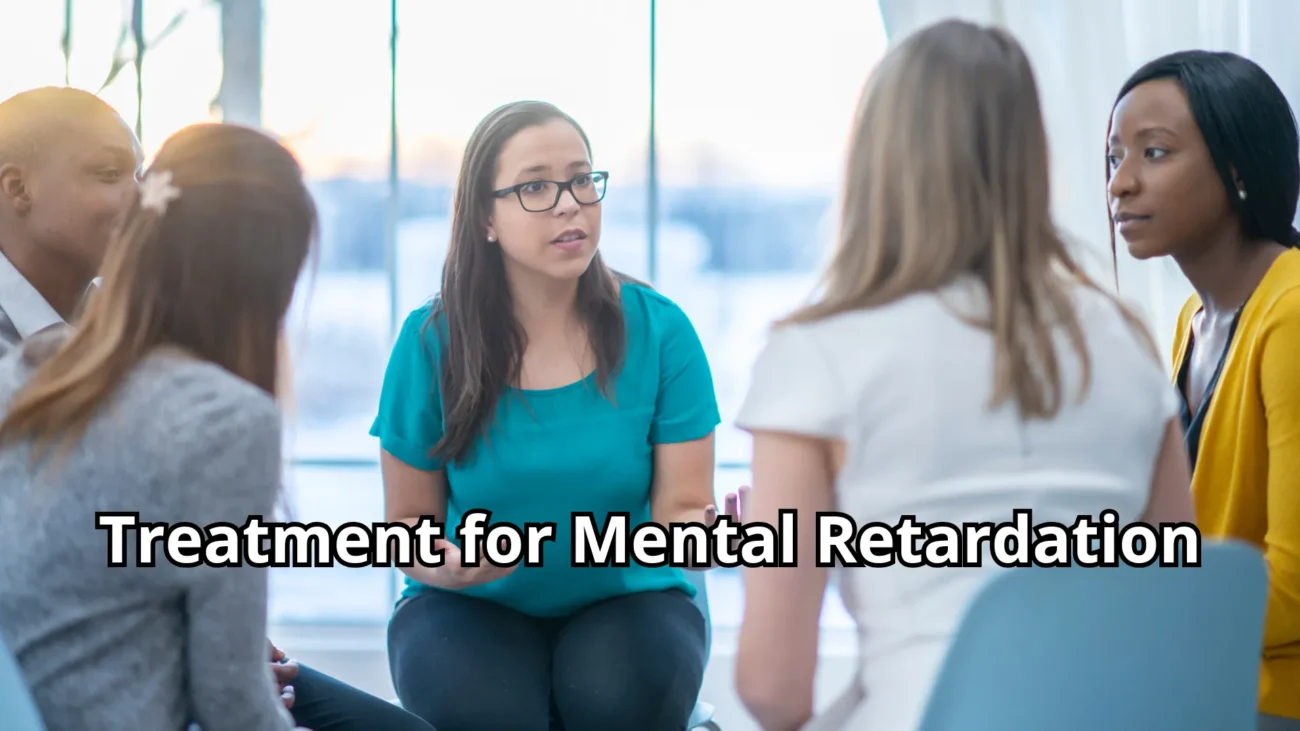
The phrase treatment for mental retardation is still widely searched online, but it is important to understand that modern medicine now uses the term intellectual disability. The older term has largely been replaced in clinical practice, educational systems, and medical literature because intellectual disability is considered more accurate and respectful.
Although the terminology has changed, the need for practical information remains the same. Parents, caregivers, teachers, and healthcare professionals often want to understand what treatment options are available, how early intervention affects development, and what realistic improvements can be expected over time. One common misconception is that there is a single medical cure. In reality, treatment focuses on helping individuals develop cognitive, social, communication, and daily living skills while addressing any associated medical or behavioral conditions.
Every person with an intellectual disability has unique strengths and challenges. Some require lifelong assistance with everyday activities, while others can live independently with minimal support. The treatment plan depends on the underlying cause, the severity of the disability, age at diagnosis, existing health conditions, family involvement, and access to specialized services.
Understanding Intellectual Disability
Intellectual disability is a developmental condition characterized by significant limitations in intellectual functioning and adaptive behavior. These limitations begin before adulthood and affect learning, reasoning, communication, problem-solving, and everyday living skills.
Adaptive behavior refers to practical abilities such as personal hygiene, communication, social interaction, financial management, and independent living. Some individuals experience mild challenges and complete mainstream education with additional support, while others require extensive lifelong assistance.
The severity of intellectual disability varies considerably. Because of this variation, treatment plans must be individualized instead of following a standard approach.
Why the Medical Term Changed
The medical community gradually replaced the older term mental retardation with intellectual disability because language influences how people are perceived and treated.
Organizations including the American Psychiatric Association, the World Health Organization, and healthcare providers worldwide now use intellectual disability in diagnostic guidelines and clinical communication.
The change reflects greater respect for individuals while maintaining the same focus on assessment, treatment, and long-term support.
Common Causes of Intellectual Disability
Intellectual disability can result from numerous factors occurring before birth, during delivery, or throughout early childhood.
Genetic conditions such as Down syndrome and Fragile X syndrome remain among the most recognized causes. Other contributing factors include complications during pregnancy, premature birth, oxygen deprivation during delivery, severe infections affecting the brain, traumatic brain injuries, metabolic disorders, and significant exposure to toxins.
In some cases, the exact cause cannot be identified despite detailed medical evaluation.
How Intellectual Disability Is Diagnosed
Diagnosis involves much more than measuring intelligence. Healthcare professionals evaluate multiple aspects of development to understand how an individual functions in daily life.
Assessment usually includes standardized cognitive testing, developmental history, language evaluation, adaptive behavior assessment, medical examination, hearing and vision testing, and when appropriate, genetic investigations.
Early diagnosis allows children to begin therapy during critical stages of brain development, when many learning skills are developing rapidly.
Developmental Assessments
Developmental specialists evaluate language, motor skills, memory, attention, reasoning, emotional regulation, and social interaction.
Teachers and parents often provide valuable information because they observe the child’s abilities across different environments.
Rather than relying on a single test score, specialists combine information from several assessments before making a diagnosis.
Medical and Genetic Evaluation
Medical investigations help identify underlying conditions that may influence treatment decisions.
Depending on individual circumstances, doctors may recommend chromosome analysis, metabolic screening, brain imaging, or genetic counseling.
Identifying an underlying medical condition may also provide information about future health risks and guide long-term care planning.
Treatment Options for Intellectual Disability
There is no single medication or procedure that reverses intellectual disability. Instead, treatment focuses on maximizing independence, improving communication, developing practical life skills, and supporting emotional wellbeing.
Successful treatment usually combines several therapies rather than relying on one intervention alone.
Early Intervention Programs
Early intervention is one of the most important components of treatment for mental retardation because young children’s brains remain highly adaptable during the first few years of life.
Programs often begin before school age and include speech therapy, occupational therapy, physical therapy, developmental education, and parent training.
Children receiving early intervention frequently develop stronger communication skills, improved motor coordination, and greater independence in everyday activities.
Speech and Language Therapy
Communication difficulties are common among children with intellectual disability.
Speech-language pathologists help improve pronunciation, vocabulary development, sentence formation, listening skills, and non-verbal communication.
For individuals with significant communication limitations, therapists may introduce picture-based communication systems or assistive communication devices that allow greater independence.
Occupational Therapy
Occupational therapy helps individuals develop practical daily living skills.
Therapists work on dressing, eating independently, handwriting, personal hygiene, sensory processing, and coordination needed for school and home activities.
Treatment plans focus on gradually increasing independence while considering each individual’s physical and cognitive abilities.
Physical Therapy
Some individuals experience delayed motor development, poor balance, reduced muscle strength, or coordination difficulties.
Physical therapists develop personalized exercise programs that improve mobility, posture, flexibility, and overall physical function.
Improved movement often increases participation in school activities, recreation, and community life.
Behavioral Therapy
Behavioral therapy helps individuals develop positive behaviors while reducing actions that interfere with learning, communication, or social interaction. The goal is not simply to stop unwanted behaviors but to understand why they occur and teach more appropriate alternatives.
A behavior specialist first identifies patterns by observing when a behavior happens, what triggers it, and what happens afterward. This process helps determine whether the behavior is linked to frustration, difficulty communicating, sensory needs, or environmental changes.
Positive reinforcement plays a central role in behavioral therapy. Encouraging appropriate behaviors through praise, rewards, or preferred activities often produces better long-term outcomes than punishment. Families are usually included in therapy sessions so they can continue using the same techniques at home, creating consistency across different environments.
Educational Support
Education is a major component of long-term treatment for mental retardation. Classroom instruction should match the student’s abilities while gradually building academic, communication, and social skills.
Many children benefit from an Individualized Education Program (IEP) or similar educational plan that outlines learning goals, accommodations, therapy services, and progress monitoring. Collaboration between teachers, therapists, and parents helps maintain consistent expectations and teaching strategies.
Practical education is equally valuable. Lessons involving money management, personal safety, public transportation, cooking, and workplace preparation often have a direct impact on future independence.
Can Medication Help?
Medication does not treat intellectual disability itself because the condition involves differences in brain development rather than a disease that can be cured with drugs. However, medication may help manage associated medical or behavioral conditions that affect learning and daily functioning.
Doctors carefully evaluate each individual before prescribing medication, considering age, overall health, potential side effects, and other therapies already in place.
Conditions That May Require Medication
Some individuals with intellectual disability also experience attention-deficit/hyperactivity disorder (ADHD), epilepsy, anxiety disorders, depression, sleep disturbances, or autism spectrum disorder. Treating these conditions can improve concentration, emotional regulation, and participation in educational and therapy programs.
Medication decisions should always be combined with behavioral interventions, educational support, and regular medical follow-up rather than replacing these services.
What Medication Cannot Treat
One of the most common misconceptions is that medication can increase intelligence or permanently improve cognitive functioning in individuals with intellectual disability.
Current medical evidence does not support this expectation. Medication may reduce symptoms of associated conditions, but learning continues to depend on education, therapy, family support, and practical skill development.
Understanding this distinction helps families maintain realistic expectations throughout treatment.
Family Support and Daily Care
Family involvement has a significant influence on treatment outcomes. Children and adults receiving encouragement and consistent support at home often make greater progress than those receiving therapy alone.
Parents and caregivers become active members of the treatment team by reinforcing therapy goals during everyday activities.
Building Life Skills
Daily routines provide valuable learning opportunities.
Simple activities such as preparing meals, organizing school materials, shopping for groceries, following schedules, and practicing personal hygiene help develop independence over time.
Instead of completing tasks for the individual, caregivers are encouraged to provide guidance while allowing increasing responsibility as skills improve.
Supporting Independence
Independence develops gradually through repeated practice rather than age alone.
Families sometimes unintentionally limit progress by providing more assistance than necessary. Encouraging individuals to make appropriate choices, solve simple problems, and complete routine activities independently builds confidence alongside practical skills.
The level of independence achieved varies depending on the severity of the disability, but nearly everyone benefits from opportunities to practice daily living skills.
Community Resources
Many communities offer valuable services including vocational training, respite care, support groups, recreational programs, transportation assistance, and employment support.
These services reduce caregiver burden while helping individuals participate more actively in community life.
Unfortunately, awareness of available resources remains limited in many regions, causing families to miss opportunities that could significantly improve long-term outcomes.
Common Challenges During Treatment
Treatment plans often look straightforward on paper, but real-world implementation can be much more difficult.
One frequently overlooked challenge is limited access to specialists. Speech therapists, occupational therapists, developmental pediatricians, and behavioral specialists may have long waiting lists, particularly in rural areas.
Financial costs present another significant barrier. Therapy sessions, educational resources, transportation, assistive devices, and ongoing medical appointments may create substantial expenses for families, especially when insurance coverage is limited.
Maintaining consistency between home, school, and therapy settings also requires considerable coordination. When caregivers, teachers, and therapists use different approaches, progress may slow because the individual receives mixed expectations.
Transitioning into adulthood introduces additional concerns involving higher education, employment opportunities, supported housing, financial planning, and long-term healthcare coordination. Many families report that adult services are less accessible than childhood intervention programs, making early planning essential.
New Advances in Intellectual Disability Care
Research continues to improve understanding of intellectual disability and the factors influencing long-term development.
Personalized Therapy Plans
Healthcare providers increasingly tailor treatment plans according to individual strengths, communication abilities, medical conditions, and personal goals rather than relying solely on diagnostic labels.
This personalized approach allows therapy to focus on meaningful improvements relevant to daily life.
Assistive Technology
Modern technology has expanded opportunities for communication, education, and independence.
Speech-generating devices, communication applications, adaptive educational software, reminder systems, and smart home technology support individuals in completing everyday activities more independently.
Technology works best when introduced alongside appropriate training for both the individual and caregivers.
Ongoing Clinical Research
Researchers continue studying genetic conditions associated with intellectual disability, early developmental interventions, educational methods, and approaches that improve adaptive functioning.
Although research has improved understanding of many conditions, current evidence continues to support early intervention, individualized therapy, and family participation as the foundation of effective care.
When Should Parents Seek Professional Help?
Parents should consult a healthcare professional whenever developmental milestones appear significantly delayed or when concerns arise about communication, learning, movement, or social interaction.
Early signs may include delayed speech, difficulty following simple instructions, challenges with problem-solving, poor memory, limited social interaction, or delayed motor development.
Waiting to see whether a child eventually catches up may delay valuable intervention during important stages of development. Early assessment provides clarity, even if intellectual disability is ultimately not diagnosed.
Conclusion
Searching for treatment for mental retardation often reflects a desire to find answers, support, and practical ways to improve the life of a child or adult with developmental challenges. While the medical community now uses the term intellectual disability, the goal of treatment remains the same: helping each individual reach their highest level of independence, communication, learning, and social participation.
There is currently no single cure for intellectual disability. Effective care combines early intervention, educational support, speech and language therapy, occupational therapy, physical therapy, behavioral interventions, family involvement, and appropriate medical management for associated health conditions. Progress may be gradual, but consistent support over months and years can produce meaningful improvements in daily functioning and quality of life.
FAQs
Yes. Mental retardation is an older medical term that has been replaced by intellectual disability. Current healthcare professionals use intellectual disability in diagnosis, treatment planning, and medical documentation, while many online searches still use the older terminology.
No. There is currently no medical cure that completely reverses intellectual disability. Treatment focuses on improving communication, learning, adaptive behavior, daily living skills, and overall quality of life through individualized support and therapy.
Early intervention, preferably before five years of age, generally produces the best outcomes because the developing brain is more responsive to learning during early childhood. However, therapy remains beneficial throughout adolescence and adulthood.
There is no single therapy that works for everyone. Treatment often combines speech therapy, occupational therapy, physical therapy, behavioral therapy, educational support, and family participation. The appropriate combination depends on the individual’s strengths, challenges, and underlying medical condition.
Yes. Although development may occur more gradually than in childhood, adults can continue building communication, vocational, social, and independent living skills through ongoing education, therapy, and community support programs.
