The phrase arizona tent city became widely known across the United States because of its unusual prison setup and the strong public debate surrounding it. Many people first heard about the facility through television news, documentaries, and political discussions about crime, punishment, and prison conditions.
Often called tent city az, the location operated as an outdoor jail complex in Arizona and became closely connected with former sheriff Joe Arpaio. Supporters described the facility as a tough approach toward inmates and taxpayer spending, while critics argued that conditions inside the camp were harsh and controversial.
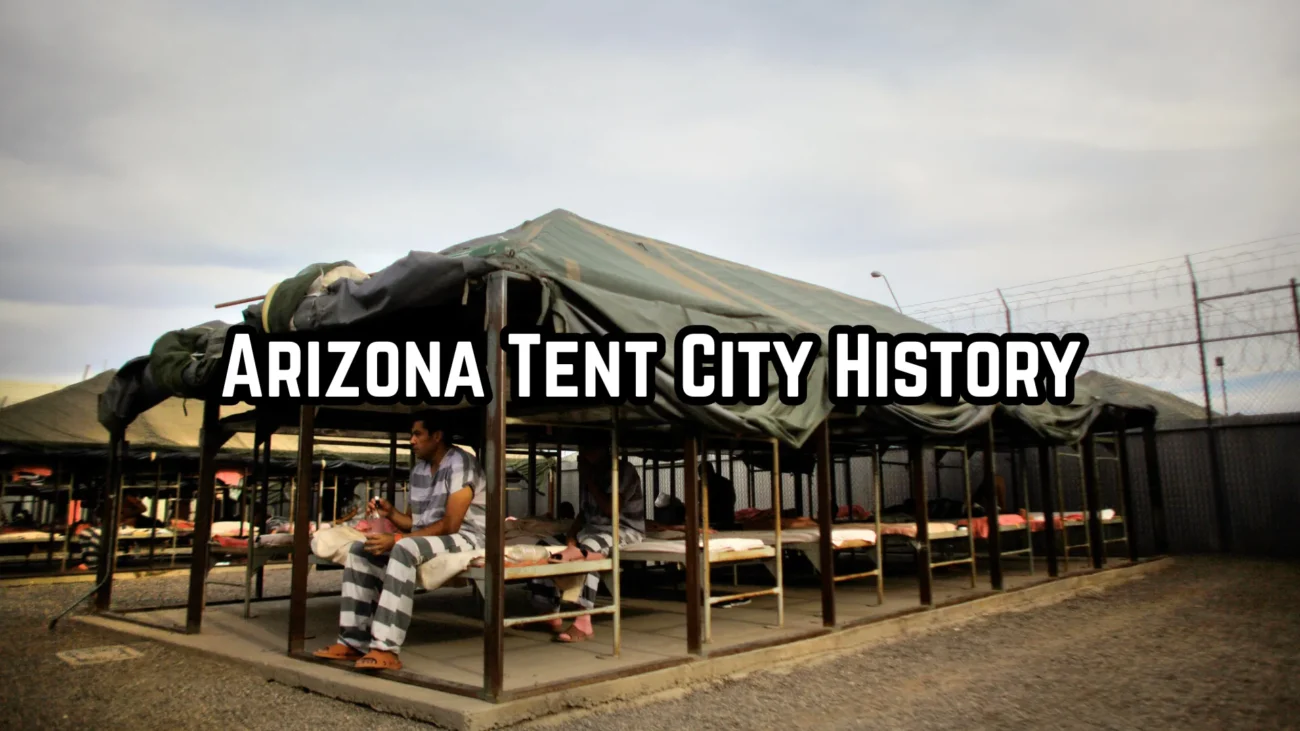
The facility attracted national and international attention for many years because it looked very different from traditional jail systems. Instead of regular prison buildings, inmates stayed inside military-style tents exposed to Arizona’s extreme desert heat.
Joe Arpaio Biography
| Attribute | Details |
| Full Name | Joseph M. Arpaio |
| Date of Birth | July 14, 1932 |
| Age (2026) | 93 |
| Birthplace | Springfield, Missouri |
| Key Positions | Maricopa County Sheriff (1993-2017), FBI agent, DEA special agent |
| Notable Policies | Tent City jail, anti-immigration raids, pink uniforms/underwear |
| Controversies | Racial profiling conviction (pardoned by Trump), multiple lawsuits |
| Political Runs | Lost U.S. Senate 2018, House races 2020/2022 |
| Legacy | “America’s Toughest Sheriff”; 24 years longest-serving sheriff |
What Was Arizona Tent City?
Arizona Tent City was an outdoor jail complex located in Maricopa County.
The facility opened during the early 1990s under Sheriff Joe Arpaio. It was designed as a lower-cost jail alternative because local prisons were becoming overcrowded.
Instead of constructing expensive permanent buildings, county officials used military surplus tents to house inmates outdoors.
The facility quickly became famous because temperatures in Arizona can rise above 100 degrees Fahrenheit during summer months.
Images of inmates living in tents under extreme desert heat attracted massive media attention.
The unusual setup helped make tent city az one of the most recognizable jail facilities in the country.
Why the Facility Was Created
One major reason Arizona Tent City was created involved jail overcrowding and budget concerns.
County officials wanted a less expensive housing option for inmates. Sheriff Joe Arpaio argued that tents cost far less than building traditional prison facilities.
Arpaio also believed harsh jail conditions would discourage criminal behavior.
He often publicly promoted the idea that jail should feel uncomfortable rather than luxurious.
Supporters praised the facility as a cost-saving measure for taxpayers.
Critics, however, questioned whether cost savings justified the harsh environmental conditions faced by inmates.
Joe Arpaio and National Attention
Joe Arpaio became one of the most controversial law enforcement figures in America partly because of Tent City.
He frequently appeared in national media interviews discussing tough crime policies and strict jail management approaches.
Arpaio openly defended Tent City by arguing that inmates should not expect comfort while serving jail sentences.
His statements attracted both strong support and strong criticism.
Supporters viewed him as a tough sheriff focused on law and order.
Critics accused him of using public humiliation and harsh treatment for political attention.
Because of this divide, Arizona Tent City became much more than a local jail facility. It became a national political symbol.
Conditions Inside Tent City AZ
Conditions inside tent city az became one of the biggest topics of public discussion.
The outdoor tents exposed inmates to extreme heat during Arizona summers. Reports frequently mentioned temperatures rising well above normal indoor prison conditions.
The facility also became known for other controversial rules and policies.
Inmates reportedly wore pink underwear and pink uniforms as part of Arpaio’s public image campaigns.
Meals were described as simple and inexpensive.
Outdoor chain gangs were also reintroduced during Arpaio’s leadership, drawing additional media attention.
Critics argued these practices focused more on humiliation than rehabilitation.
Supporters believed strict conditions helped reduce unnecessary spending and discourage criminal activity.
Media Coverage and Public Curiosity
Arizona Tent City received huge media attention throughout the 1990s and 2000s.
Television reporters, documentary crews, and journalists frequently visited the facility because it looked so unusual compared to standard American prisons.
Images of large military-style tents filled with inmates under desert conditions became widely recognized nationwide.
International media outlets also reported on the facility because of debates surrounding prison conditions and human rights concerns.
This constant attention helped make the black-and-white striped uniforms and tent structures famous symbols connected to Joe Arpaio’s policies.
Supporters of Tent City
Many supporters believed Arizona Tent City represented accountability and tougher punishment for criminals.
Some taxpayers supported the idea because the facility reportedly cost less than building traditional jail structures.
Others agreed with Arpaio’s philosophy that jail should not provide comfort beyond basic necessities.
Supporters also argued that many law-abiding citizens struggled financially themselves, so inmates should not receive expensive accommodations funded by taxpayers.
This perspective helped Arpaio maintain political popularity for many years despite growing criticism from civil rights organizations.
Critics and Human Rights Concerns
Critics strongly opposed conditions inside Tent City AZ.
Civil rights groups argued that exposing inmates to extreme desert temperatures could create health risks and violate human rights standards.
Organizations including American Civil Liberties Union criticized jail practices connected to the facility.
Legal concerns also emerged regarding medical care, inmate treatment, and environmental safety.
Some former inmates and attorneys claimed conditions were unnecessarily harsh and humiliating.
Critics believed jail systems should focus more on rehabilitation and safety rather than public spectacle.
These debates kept Arizona Tent City in national headlines for years.
Arizona Desert Heat and Safety Concerns
One of the most controversial aspects of Arizona Tent City involved the desert climate itself.
Arizona summers can become dangerously hot, especially in outdoor environments.
Critics argued that tents could trap heat and create unhealthy conditions for inmates and staff.
Reports described temperatures inside tents reaching extremely high levels during summer months.
The jail attempted using cooling systems and fans, but concerns about heat exposure remained common.
Heat-related risks became central to arguments against the facility.
Why Tent City Became Symbolic
Tent City became symbolic because it represented larger national debates about crime and punishment.
Supporters saw the jail as proof of strict law enforcement and fiscal responsibility.
Critics viewed it as an example of harsh punishment policies focused more on image than effective criminal justice reform.
The facility reflected broader political disagreements about how society should treat inmates.
Because these debates were emotionally charged, public interest around Arizona Tent City remained strong for decades.
Television and Pop Culture Attention
Tent City AZ appeared in television programs, documentaries, news specials, and political discussions repeatedly.
The unusual appearance of inmates living in desert tents attracted curiosity from audiences worldwide.
Joe Arpaio himself also became a media personality because of his outspoken public style.
This combination of visual imagery and political controversy helped Arizona Tent City remain culturally recognizable even among people outside the United States.
Changes in Criminal Justice Discussions
Over time, national conversations about criminal justice began changing.
Many experts started focusing more on prison reform, inmate rights, rehabilitation programs, and mental health treatment.
As these discussions grew, criticism of harsh prison conditions increased.
Facilities like Arizona Tent City faced greater public examination regarding effectiveness and ethics.
Questions emerged about whether extreme punishment actually reduced crime or improved public safety long term.
This shift in public discussion influenced how many people viewed Tent City in later years.
Closure of Arizona Tent City
Arizona Tent City eventually closed in 2017.
The closure happened after Sheriff Joe Arpaio lost reelection and new leadership took over in Maricopa County.
Officials stated that the facility was outdated and no longer necessary.
Maintenance costs and changing correctional policies also influenced the decision.
After decades of controversy and national attention, the closure marked the end of one of America’s most unusual jail systems.
Comparison of Arizona Tent Cities
| Type | Location | Purpose | Status | Capacity |
| Sheriff’s Tent City | Phoenix (closed) | Inmate overflow/harsh punishment | Shut 2017 | 2,000 |
| Homeless Encampments | Phoenix/Tucson | Urban housing crisis | Ongoing | Varies |
| The Opportunity Village | Phoenix | Rehabilitative tiny homes | Active | 100+ |
Even after closing, Tent City remained a frequently discussed topic in political and criminal justice conversations.
The Legacy of Joe Arpaio
Joe Arpaio’s legacy remains highly divisive.
Supporters continue viewing him as a strong law enforcement figure who took tough approaches against crime and illegal immigration.
Critics argue that many of his policies created unnecessary controversy and raised civil rights concerns.
Tent City remains one of the biggest symbols connected to his time as sheriff.
The debates surrounding the facility reflect larger national disagreements about punishment, law enforcement power, and prison conditions.
Public Opinions About Harsh Prison Conditions
Public opinion about harsh prison conditions remains divided.
Some people believe strict jail environments discourage crime effectively.
Others argue that rehabilitation, education, and mental health support produce better long-term results.
Arizona Tent City became one of the clearest examples of this national disagreement.
The strong reactions connected to the facility explain why the topic still receives attention years after closure.
Tourism and Curiosity Around the Jail
At one point, Tent City attracted unusual levels of tourism curiosity.
Visitors and journalists often wanted to see the famous outdoor jail because of its reputation.
Media attention helped transform the facility into a recognizable symbol of tough-on-crime politics.
Few jail facilities in American history received as much public visibility as Arizona Tent City.
Criminal Justice and Political Messaging
Tent City also demonstrated how criminal justice policies can become political messaging tools.
Joe Arpaio frequently used the jail’s image to strengthen his public identity as a strict sheriff.
The pink uniforms, chain gangs, and desert tents all became visual symbols connected to his political brand.
This strategy helped keep the facility in national conversations for many years.
Why People Still Search for Arizona Tent City
Searches related to arizona tent city and tent city az continue because people remain curious about unusual prison history and controversial law enforcement practices.
Documentaries, news clips, and online discussions still reference the facility regularly.
The combination of desert prison tents, political controversy, media attention, and criminal justice debates created a story that many people continue finding fascinating.
Conclusion
Arizona Tent City became one of the most famous and controversial jail facilities in American history because of its outdoor prison tents, extreme desert conditions, and connection to Sheriff Joe Arpaio. Supporters viewed the facility as a tough and cost-effective approach to criminal punishment, while critics argued that conditions were unnecessarily harsh and politically motivated.
The debates surrounding tent city az reflected larger national disagreements about prison reform, inmate rights, taxpayer spending, and law enforcement philosophy.
Although the facility officially closed in 2017, its legacy continues through discussions about criminal justice, political symbolism, and the treatment of inmates within the American prison system.
FAQs
Arizona Tent City was an outdoor jail complex in Maricopa County that used military-style tents instead of traditional prison buildings.
The facility was created to reduce jail overcrowding and save taxpayer money on prison construction costs.
Joe Arpaio became controversial because of his strict jail policies, anti-immigration actions, and public punishment methods.
Arizona Tent City officially closed in 2017 after Joe Arpaio lost reelection as sheriff.
People remain curious because the jail became one of the most unusual and controversial prison facilities in America.
